Your ADU Journey Starts Here: Design, Financing & HELOC Deep Dive
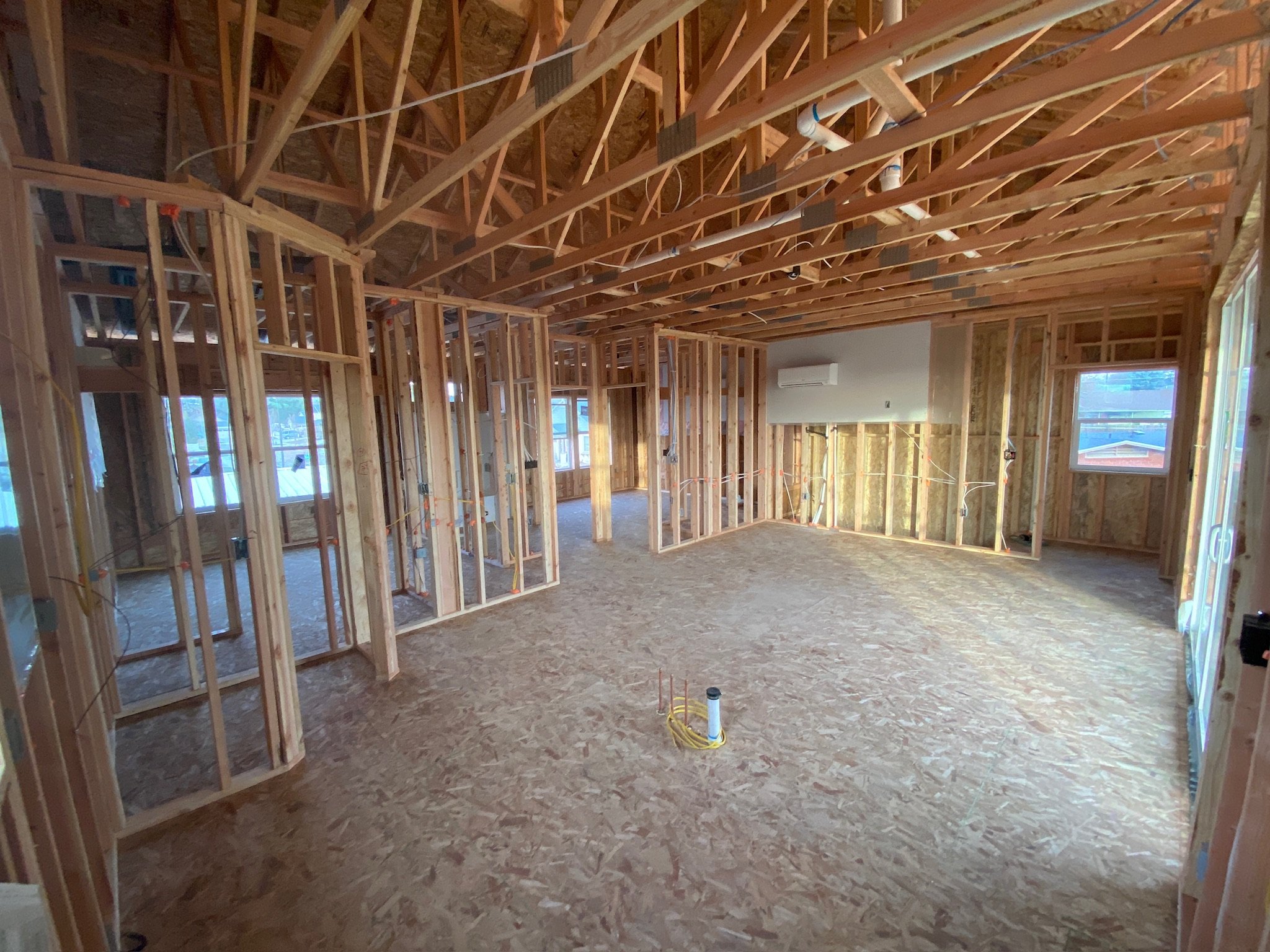
Happy Fall! We hope you had the opportunity to visit the newly constructed ADU on Wilson Street. If so, we would love to hear what you thought of the space! It was built with the intention of being a mid- to long-term rental, and the first tenants are in!
NEXT STEPS - Thinking about your own ADU? Here's how to get started:
Chat with Cody On-Site: Schedule an on-site consultation. We’ll help refine your "why” for undertaking this project, visualize it, discuss the City of Boise's building criteria, and identify potential issues early on.
Money Talk: Begin researching financing options to cover the construction cost of your ADU. Reach out to us for a referral or contact your trusted lender to get started. It's essential to start on this early to understand the project's feasibility and your target budget.
LEARNING THE BASICS
In this edition of "Learning the Basics", let's talk about designing your project.
One of the first things to do when you’re ready to start planning your ADU is to design it. At Treeline, we are passionate about designing small spaces that feel spacious, aesthetically pleasing, and highly functional. We’ll draft your site plan, floor plans, 3D perspectives, and other essential design aspects so that you can see how the space will look and feel. Afterward, we’ll take the design work and create “construction plans”. Detailed construction plans are pivotal in providing the documentational framework to ensure we (you and Treeline) have the same vision, a critical component that allows us to provide accurate pricing, mandatory for the City of Boise permitting process, and serve as a guide for our building team and municipal officials, like plan reviewers and building inspectors.
DEEP DIVE
I want to do a "Deep Dive" into HELOCs...
There are several ways to finance your ADU, and a Home Equity Line of Credit (HELOC) is a popular choice. With a HELOC, you keep your first mortgage as-is and place a second lien loan against your home’s equity (the difference between the current market value and what you still owe) - effectively allowing you to “cash in” on the equity you have in your home without selling it. Generally, HELOCs work like a revolving line of credit where you borrow against them for a set “draw period” (typically 10 years). During this timeframe, you are typically only responsible for paying the interest on the loaned money. Generally, if you want to pay more than the interest, you’re free to do so at any time during the draw period to reduce the amount owed. After 10 years, your borrowing period ends, and you’ll start paying back interest AND whatever principal is outstanding on a set payment schedule that typically lasts 20 years.
Most HELOCs have a variable interest rate, so keep in mind that your required payments can change from month to month as the Prime Rate changes. Prime Rate is an “index rate” that is influenced by the Federal Reserve’s actions. Lenders also add a lender-determined “margin” - this is how they make money for loaning you the money. HELOCs are “second position” loans, meaning if the first position loan (your primary mortgage) goes into default, the first position lender would have priority in the repayment process, and if there is money leftover, the second lender would be repaid. The second position status makes these loans riskier to the lender, which is why you will see higher interest rates than the primary mortgage.
There are lenders that don’t charge for opening or maintaining a HELOC if you don’t end up using it. There will likely be restrictions, like keeping the HELOC open for a set number of years to not incur fees, but if you follow the requirements, you wouldn’t pay anything even if you don’t use the HELOC. It’s an option worth checking into! If you don’t know where to start, contact us, and we can connect you with a lender who can help you review financing options.
All the best,
Lindsay and Cody Wassard
Treeline Design & Build